How a new store earns shoppers' trust before it has reviews
The short answer
Answer the doubts reviews would have answered, and fake nothing.
With no reviews, shoppers look for other clues: who runs the store, how to reach you, what happens after they pay, and whether the price is real. Put those answers where shoppers look, in plain words, and take out anything that looks borrowed or too good to be true.
For owners of new or small stores who suspect visitors don't trust them yet.
What shoppers look for
A name, a way to reach you, and someone who answers.
Delivery, returns and prices that are true, said where shoppers decide.
Reviews do a lot of quiet work: they tell a shopper that other people bought here and got what they paid for. A new store doesn't have them yet, so the rest of the store has to do that work. This guide starts from what shoppers and other owners say makes a store look unsafe, then shows what design can do about each, on our demo store.

The short version
- The warning signs are mostly simple: no name or contact details, unclear delivery and returns, nothing to check the store against, borrowed photos, prices too good to be true.
- Design can answer most of them: a footer that says who you are, delivery and returns next to the button, one true price per item.
- Fake nothing: no made-up reviews, counts or badges. In the UK, fake reviews have been banned outright since April 2025.
01What looks unsafe
Shoppers and owners name the same warning signs again and again.
Many are things a new store simply hasn't done yet, not things it did wrong.
We read eight public threads on the Shopify Community forum: two where people discuss how to spot a fake store, five where owners asked whether their store looks trustworthy, and one guide post on buyer trust. We noted every reason a reply gave for a store looking unsafe, or every fix it suggested for trust. The figure counts the threads, not the replies.
Fig. 1
Warning signs named in eight forum threads
Our reading, 24 Nov 2026| Warning sign | A | B | C | D | E | F | G | H | Threads |
|---|---|---|---|---|---|---|---|---|---|
| No name, address or way to reach you | 7 | ||||||||
| Nothing to check the store against: no reviews, no social accounts | 7 | ||||||||
| Delivery and returns unclear or hard to find | 5 | ||||||||
| Photos that look borrowed, stock or uneven | 5 | ||||||||
| Prices that look too good, or everything on sale | 4 | ||||||||
| Still on the platform's free web address | 4 | ||||||||
| A claim that doesn't hold up | 3 | ||||||||
| Template text left in, or text copied from elsewhere | 3 | ||||||||
| Unrelated products side by side | 2 | ||||||||
| Trust signals that look fake | 1 |
How to read it: each column is one thread, each filled dot a thread where at least one reply named that sign. A and B are about spotting fake stores; C to G are owners asking for feedback; H is a guide post. A count from eight threads shows what comes up, not how much each sign costs you in sales.
One more thing stood out: in one of the owners' threads, 7 of the 12 replies named an app or a service to buy. So we kept the warning signs and left the shopping lists out. The fixes below need no app.
02Show who you are
Put a name, a way to reach you and a person behind the store where shoppers check.
One of the two most-named warning signs: no name, no address, no way to reach anyone.
A shopper in one thread couldn't find a company name anywhere on the store, so there was nothing to search for. Others asked for a full business name and address in the footer, a contact page, and an About page that says who is behind the store. Here is the footer, before and after, on Atelier Vauclair, a candle store we built for demonstrations.
Fig. 2
The footer: where careful shoppers go to check you
A sketch on our demo storeSubscribe to our emails
Be the first to know about new collections and exclusive offers.
© 2026, My Store
- The theme's sign-up text, word for word. It says nothing about this store.
- Social icons that lead to placeholder accounts, or nowhere.
- No business name, no way to write, nothing about returns.
Letters from the Atelier
Your email
Client Care
Our client advisors answer every letter within one working day. Unlit pieces may be returned within 30 days.
Write to the atelierDelivery & returns
The House
The AtelierThe ScentsThe Art of Giving
© 2026 Atelier Vauclair
- How fast someone answers, and the returns rule, in one line each.
- Links to who makes the pieces and how.
- The store's real name.
How to read it: the left footer is what a new store looks like before the theme's defaults are replaced. The right one uses Atelier Vauclair's own footer words, with two links added for the sketch. A real store would also add its business name and address, or a mailing address.
- Don't want your home address on the store? Shopify's help suggests a PO box or a rented mailbox, and a separate business number for customers to call, and warns that some legal disclosures require a physical business address that a PO box can't replace.
- Use your own web address. Shopify's help says a domain that matches your brand "can help you build trust in your online store". Four of the eight threads named the free platform address as a warning sign.
- Say who makes what you sell. An About page with real people, a real place or a real process gives a doubtful shopper something to check.
Sources, opened 24 Nov 2026: Shopify Help Center, "Adding store policies"; Shopify Help Center, "Domains"; and the eight forum threads in Fig. 1.
03Keep every promise true
Make every price, date and policy something you can stand behind.
One claim that doesn't hold up makes a shopper doubt all the others.
Several threads named prices that look too good to be true, or a struck-through "regular" price on every item. One reply put it simply: when everything is permanently discounted, people stop believing any of it. Another found a store promising free worldwide shipping that it didn't offer.
Fig. 3
Prices: one true price per piece
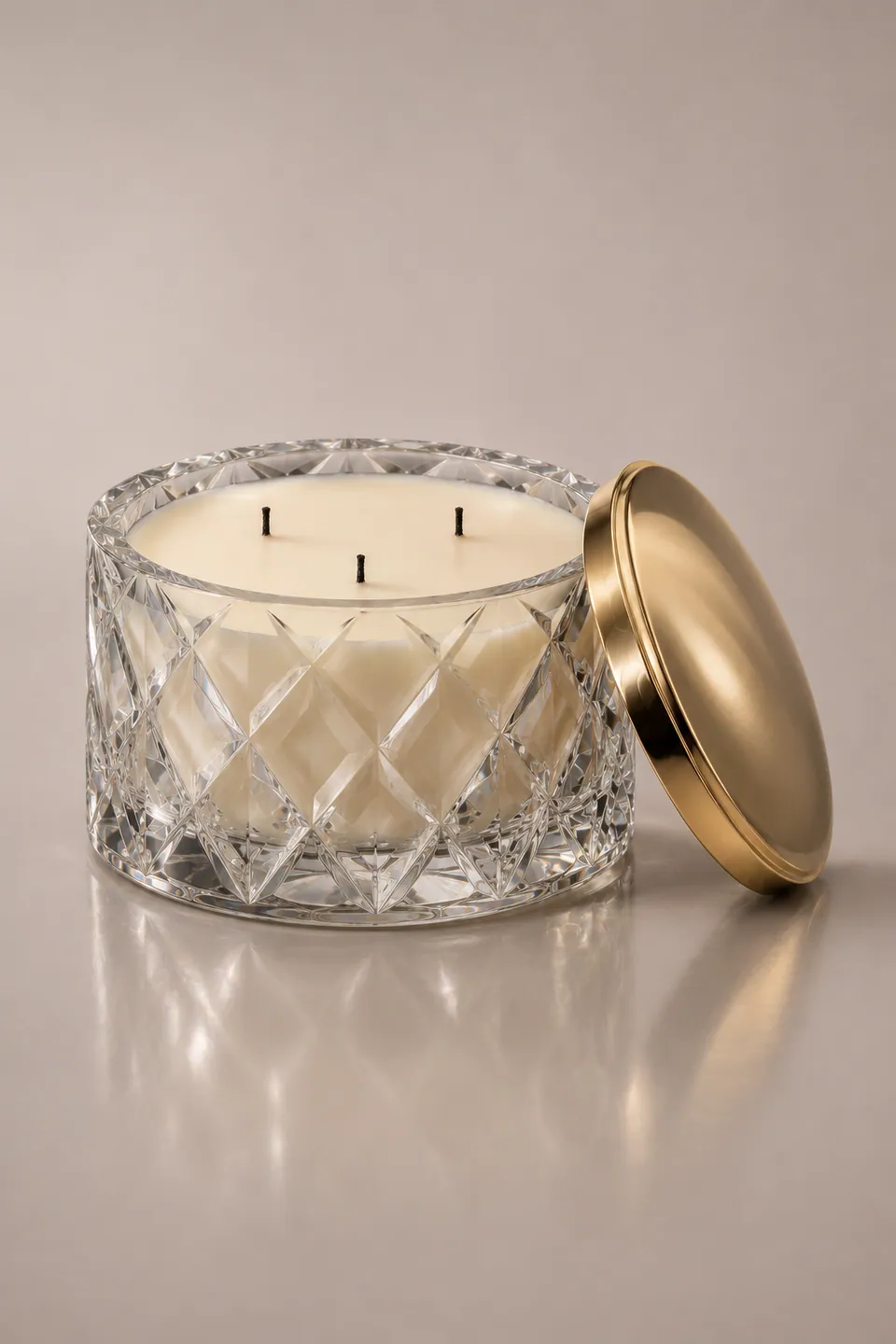
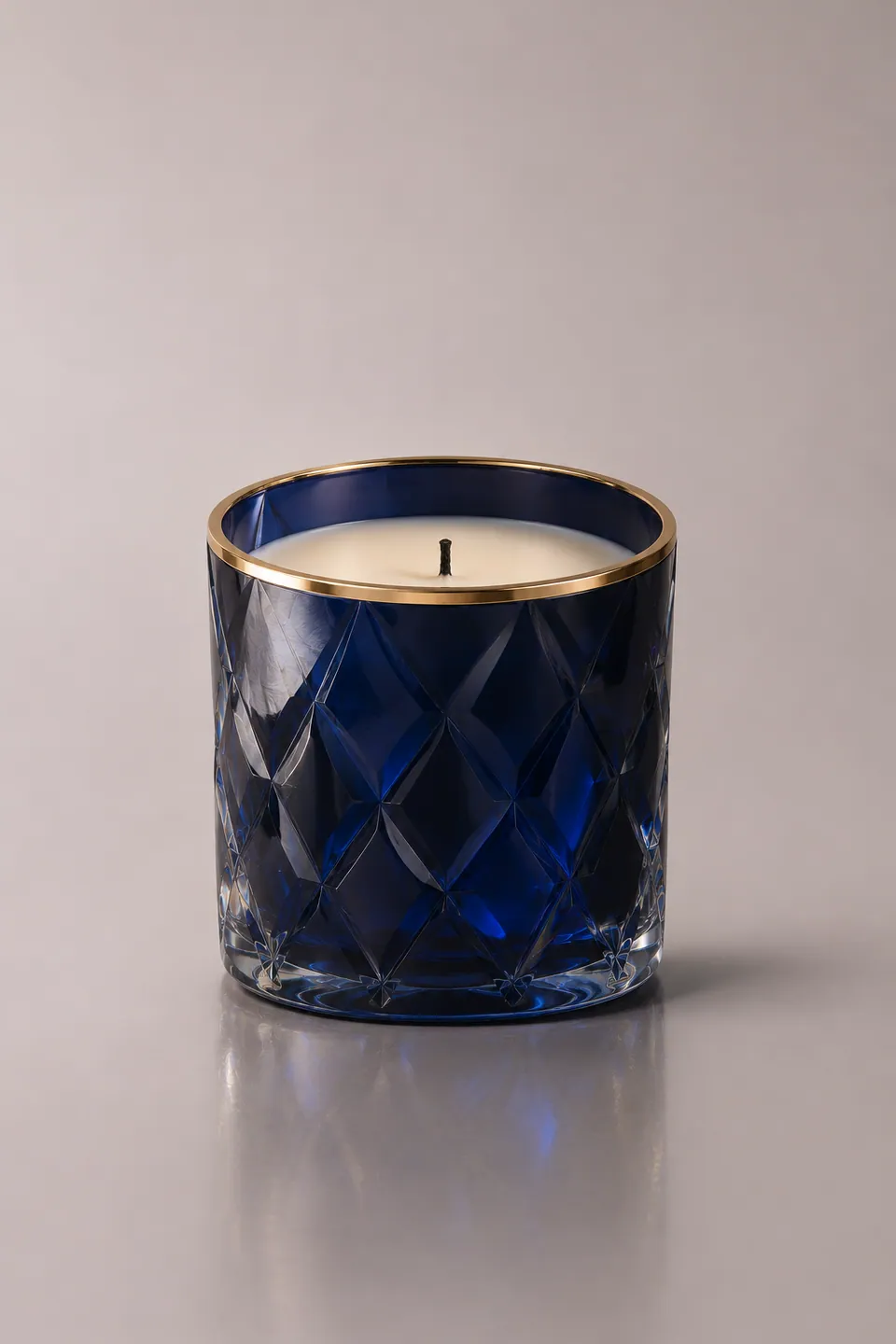
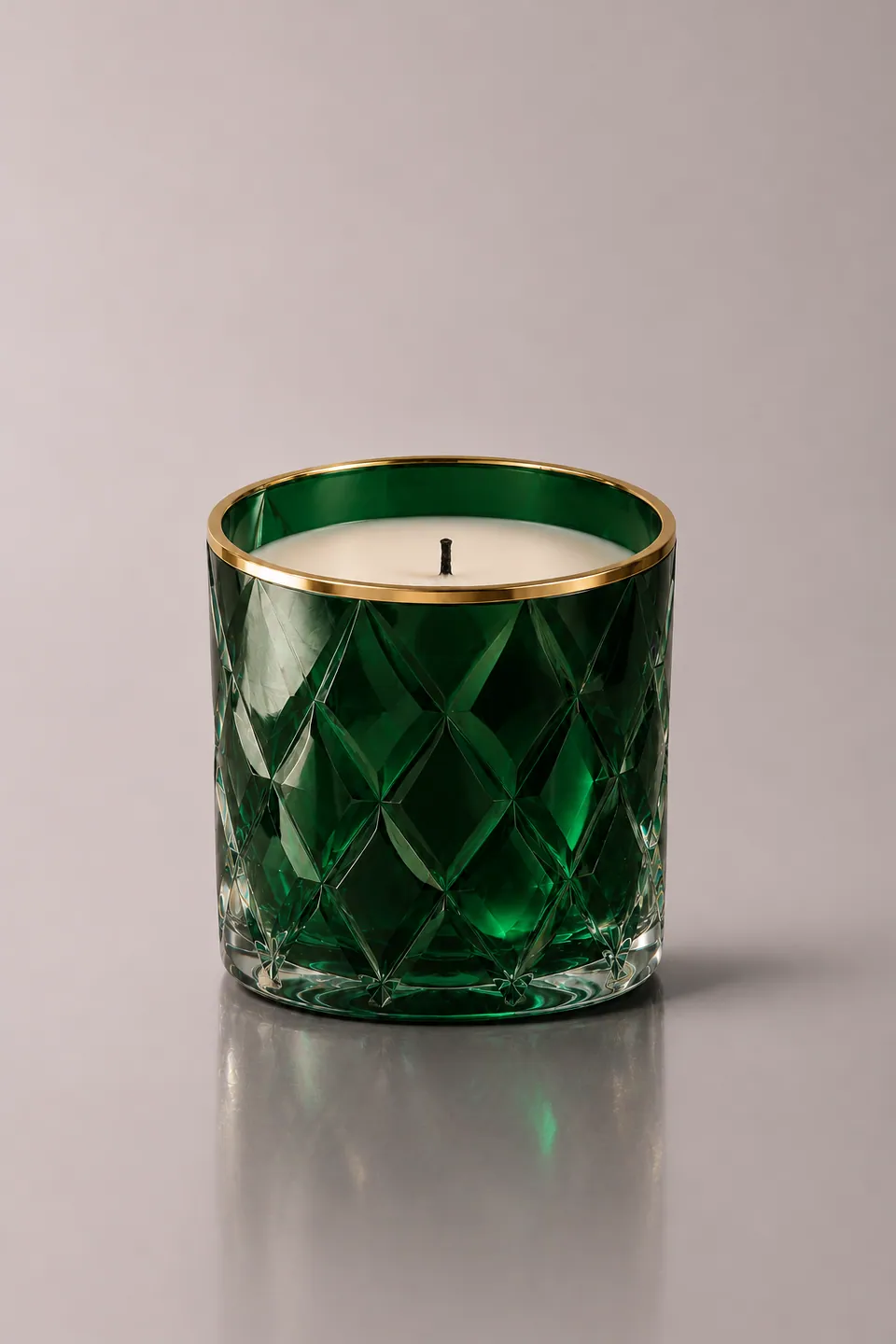
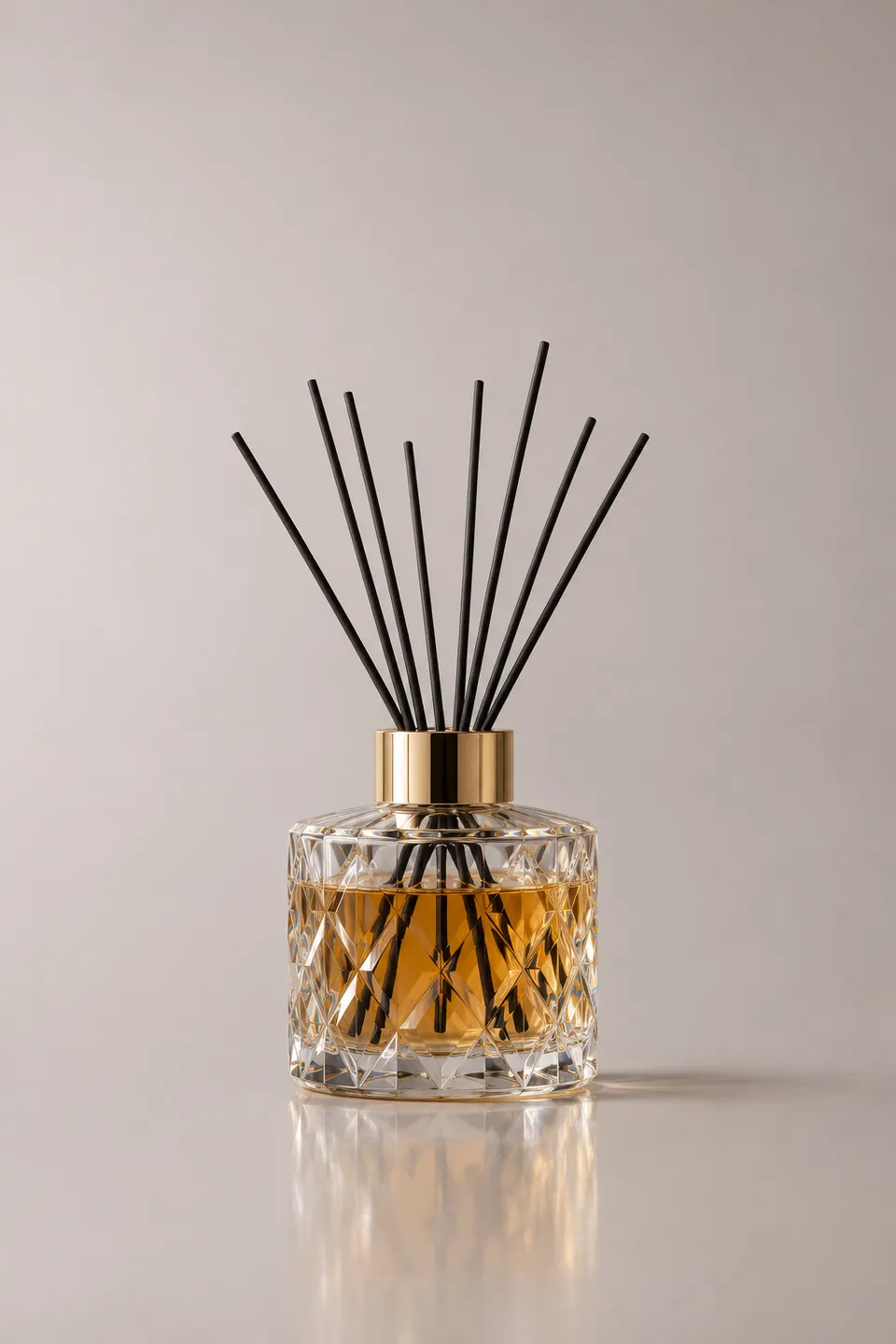
A sketch on our demo storeCandles
4 pieces
Sale · 50% off everything, today only
 -50%
La Grande Bougie
$185 $370
 -50%
Saphir
$125 $250
 -50%
Émeraude
$125 $250
 -50%
Le Diffuseur
$145 $290
- A sale that never ends. "Today only" is back tomorrow.
- A "was" price on every piece, double the real one. Shoppers stop believing any of them.
Candles
4 pieces
Complimentary shipping and gift wrapping.
La Grande Bougie
$185
Saphir
$125
Émeraude
$125
Le Diffuseur
$145
- What every order really gets, in the store's own words.
How to read it: the prices on the right are Atelier Vauclair's real ones. The left shows the same pieces with invented "was" prices at double, the pattern forum replies warn about.
- Delivery dates you can keep. Shopify's own help says: "Don't promise delivery or shipping times that you can't provide."
- Policies with no blanks. Store policy templates come with placeholders to fill in, and Shopify's help says you're responsible for the accuracy of your published policies and for following them. One owner's policies still read "insert return address" where the address should be.
- Your own words and photos. Replace the theme's demo text and stock photos. Plain and true reads better than borrowed and polished.
- One clear range. Two threads flagged stores selling unrelated things side by side. If you sell more than one kind of thing, say plainly what connects them.
Source for the quotes from Shopify, opened 24 Nov 2026: Shopify Help Center, "Adding store policies".
04Before the first review
Use the space reviews would fill to answer the same doubts.
Think of what a review tells a shopper: it arrived, it was as shown, and someone helped when it wasn't.
A new store can say the first and the last itself, next to the button, and show the second with honest photos and plain descriptions. That is what the right-hand page below does, using only words the demo store already has.
Fig. 4
The product page: answer the doubts reviews would answer
A sketch on our demo storeSignature
La Grande Bougie
☆☆☆☆☆No reviews yet
$185.00
Add to bag
Trusted by 10,000+ happy customers
- Five empty stars beside the price, telling every shopper that nobody has bought this yet.
- A count no shopper can check, and on a new store, not true. That's a false claim, not a trust signal.
Signature
La Grande Bougie
$185.00
Add to bag
Orders leave our atelier within 5 to 7 business days, wrapped by hand in our black lacquer box.
Unlit pieces may be returned within 30 days of delivery.
Our client advisors answer every letter within one working day.
- When it ships, in the store's own words.
- What happens if it isn't right.
- That a person answers, and how fast.
How to read it: the three lines on the right are Atelier Vauclair's own delivery, returns and contact words, moved from a closed row and the footer to beside the button. Whether an empty review box costs sales is our view, not a measured result.
05When reviews come
Ask everyone, show everything, and never write, buy or borrow a review.
In the UK, fake reviews and hidden paid-for reviews have been banned outright since April 2025.
The UK's Competition and Markets Authority published its guidance on the new rule on 4 April 2025. It calls the practice "automatically unfair and illegal", and says it "covers fake reviews, concealed incentivised reviews" and publishing reviews in a misleading way. Rules differ by country, and this isn't legal advice, but the guidance is a clear list of what to avoid anywhere.
- Ask every customer, not only the happy ones. The guidance counts inviting only satisfied customers to review as cherry-picking.
- Show the low reviews too, and answer them. It warns against editing, withholding or removing genuine negative reviews.
- Never trade a gift or refund for a better review. Its examples include offering a refund or a gift voucher to a customer to change a negative review.
- Don't borrow reviews. It names "catalogue abuse": presenting reviews of a different product as if they were for the one a shopper is looking at. Reviews copied from a supplier's listing are other people's reviews of someone else's listing.
- Only show badges that are true. The payment methods you take, the returns window you keep. One forum reply put it well: fake trust signals easily become distrust signals.
Source, opened 24 Nov 2026: Competition and Markets Authority, "Fake reviews" (CMA208), GOV.UK, published 4 April 2025; quotes from paragraphs 1.1, 4.4, 4.5 and 4.8 and the examples in chapter 3.
06Where Liftrail fits
Trust is one of the things we look for on every page.
Clear delivery and returns, real reviews, who you are and how to reach you.
We go through your store the way your shoppers do, on mobile and desktop, and note what could stop a sale. A missing name, a promise hidden in a closed row and a price nobody believes are the kind of things that turn up. Your report keeps only the few changes most likely to win back sales, each displayed on your own pages. How a Liftrail audit works
More on a new store: a new store with no sales, and how to get honest feedback on your store.
Questions owners ask
Quick answers
Does my store look like a scam? ShowHide+−
Check it against Fig. 1. Can a stranger find your name, a way to reach you, your delivery times and returns, and prices that look real? Then open the store on mobile as someone who has never heard of you, and see what they'd see first.
Should I hide the reviews section until I have reviews? ShowHide+−
Our view: yes, until the first few real reviews come in. Use that space for delivery, returns and how to reach you, as in Fig. 4.
Do trust badges help a new store? ShowHide+−
Only true ones can, and only by answering a real doubt, such as which payment methods you take. A badge for something you don't have misleads shoppers, and one forum reply warned that fake trust signals easily become distrust signals.
Does a custom domain matter? ShowHide+−
Shopify's own help says a domain that matches your brand can help you build trust. Four of the eight threads we read named the free platform address as a warning sign.
Is it OK to import reviews from my supplier? ShowHide+−
They aren't your customers' reviews of your store. The UK regulator's guidance warns against presenting reviews of a different product as if they were for the one a shopper is looking at.
Do discounts make a store look like a scam? ShowHide+−
A real sale with a real end doesn't. A struck-through price on everything, or prices far below everyone else's, came up as a warning sign in four of the eight threads.
How this page was made
Liftrail's AI drafted this page on 24 Nov 2026. It read eight public Shopify Community threads that day (A to H in Fig. 1) and put what they say in our own words, without names or links, since some of those threads name real stores. It also read Shopify's help pages on domains and store policies, and the UK Competition and Markets Authority's fake reviews guidance. Atelier Vauclair is a demo store we built; it is not a real shop. Alex R'bibo read every line before it was published.
No reviews yet? Let the rest of the store answer for you.
How a Liftrail audit works How we choose what to recommend
The pages where shoppers decide, first on mobile, then on desktop.